From a cultural anthropology perspective, objects are not defined solely by their original function, but by their capacity to be reinserted into everyday life. In many contexts across Latin America, an object’s life cycle does not end once it fulfills its primary purpose. It continues. It shifts. It transforms.
Yogurt containers reused to store beans, plastic buckets turned into stools, wooden produce crates repurposed to hold books, improvised flowerpots, objects placed in the street to reserve a parking space. These practices are not simply responses to scarcity, but expressions of a pragmatic material logic: objects persist because they are still useful. Their value is operational before it is symbolic.
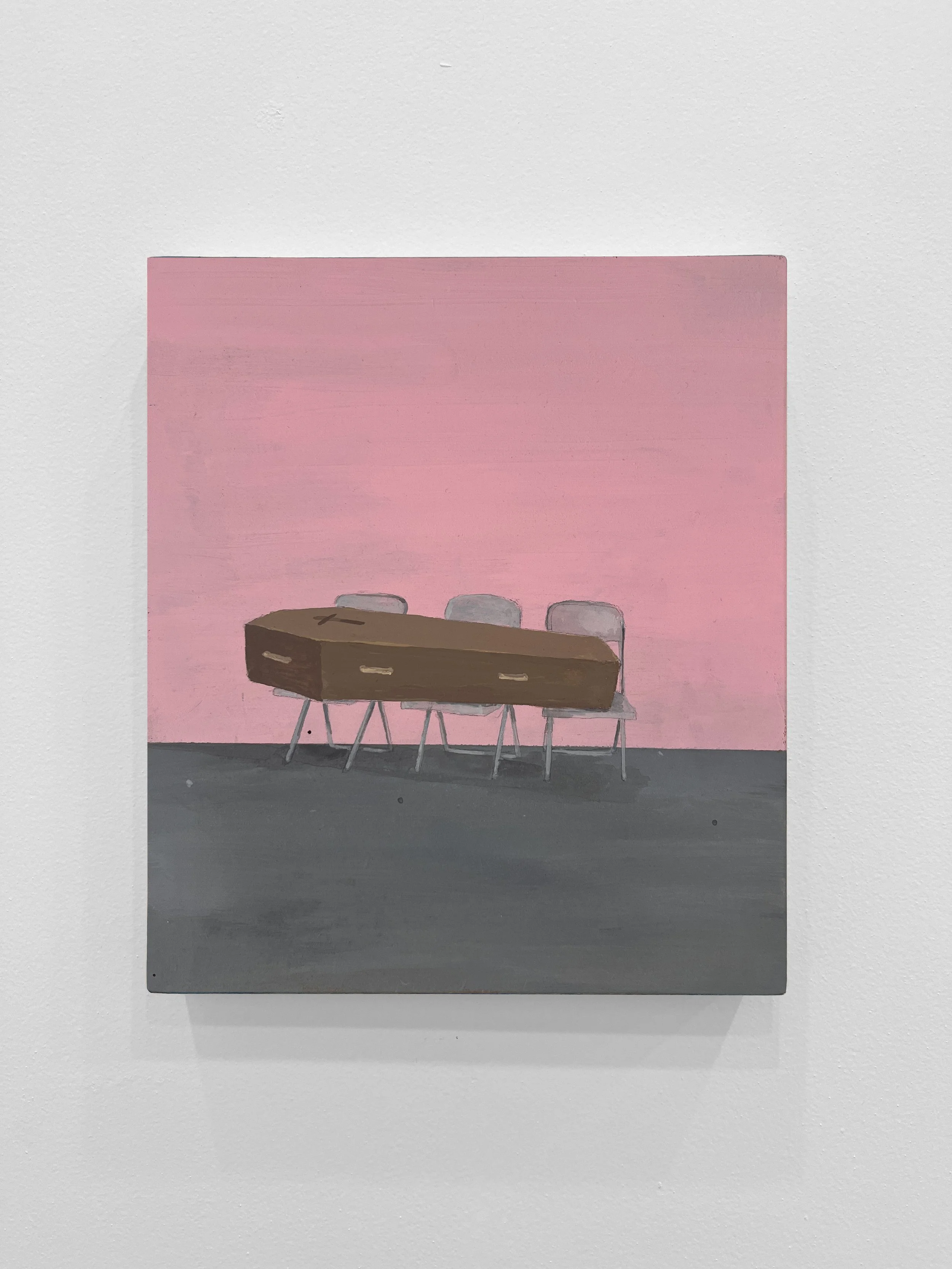
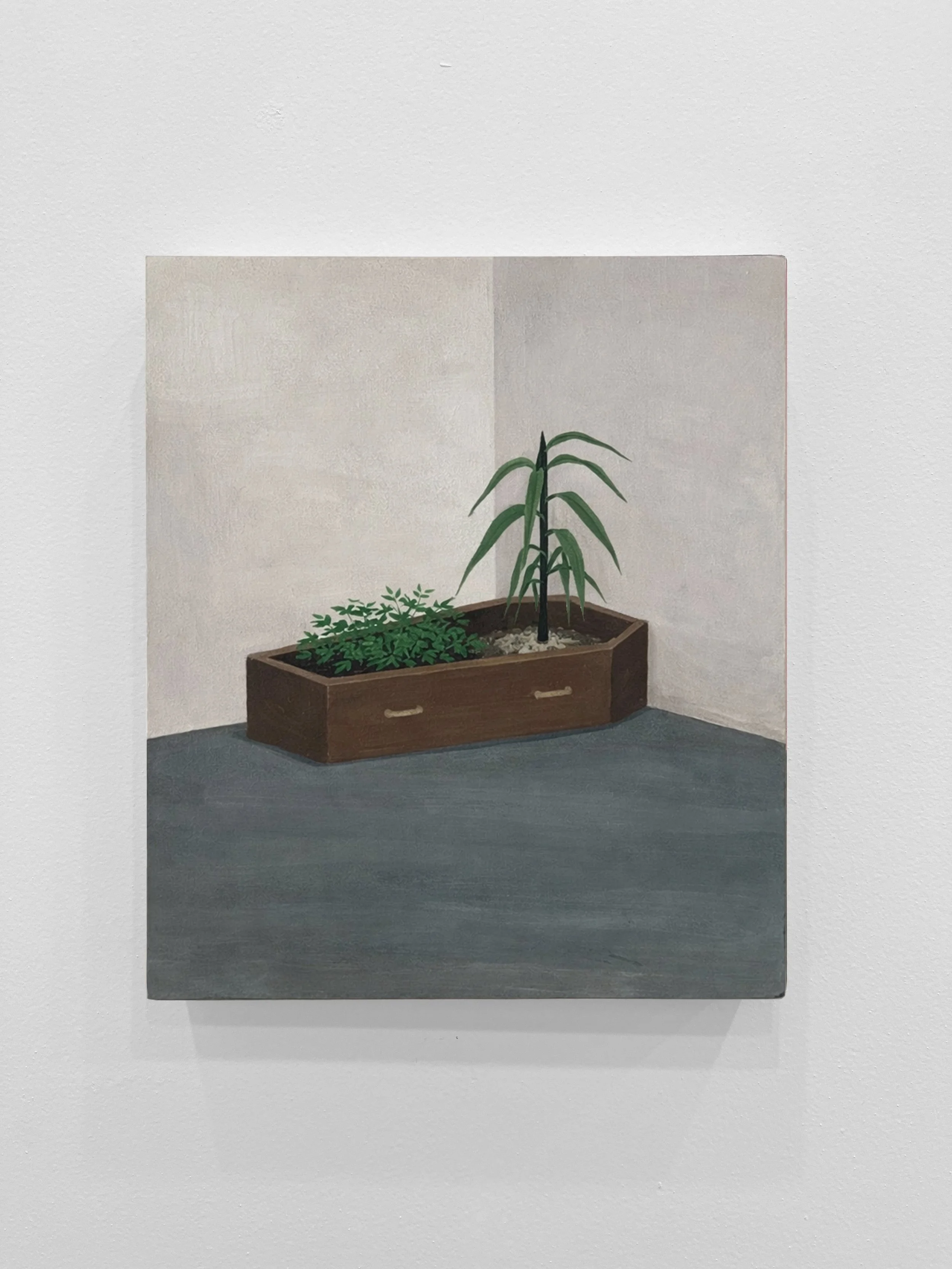
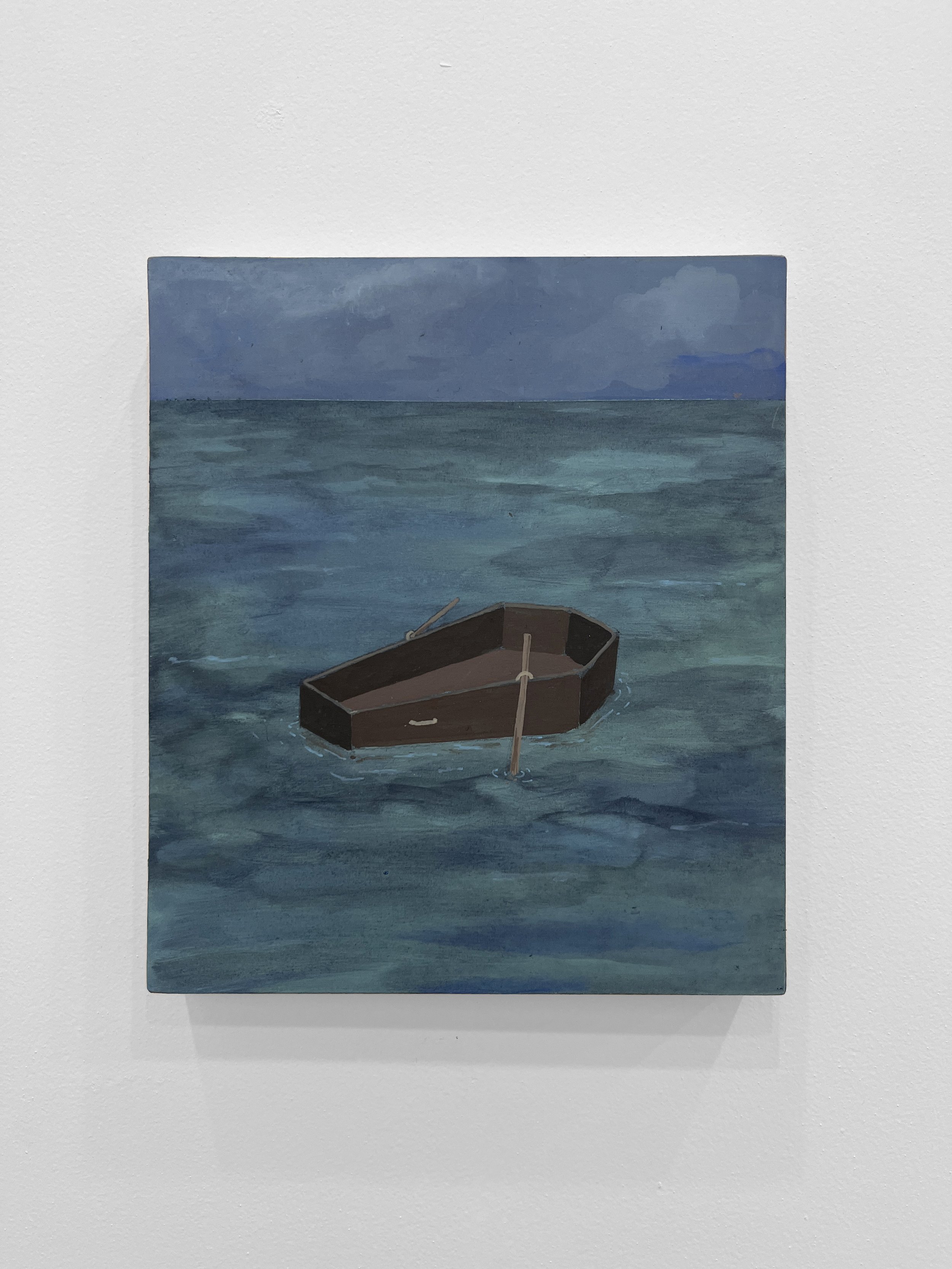
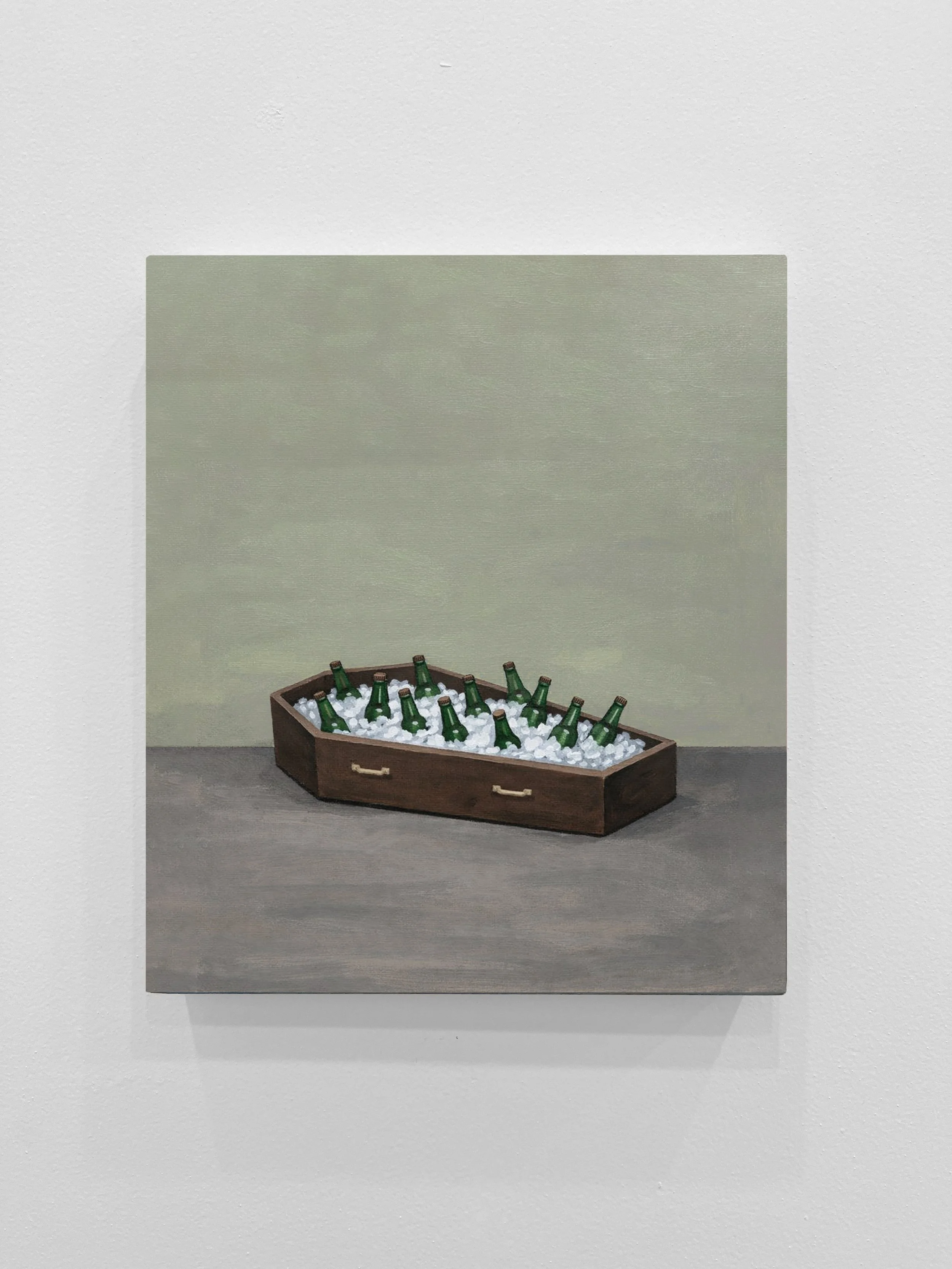
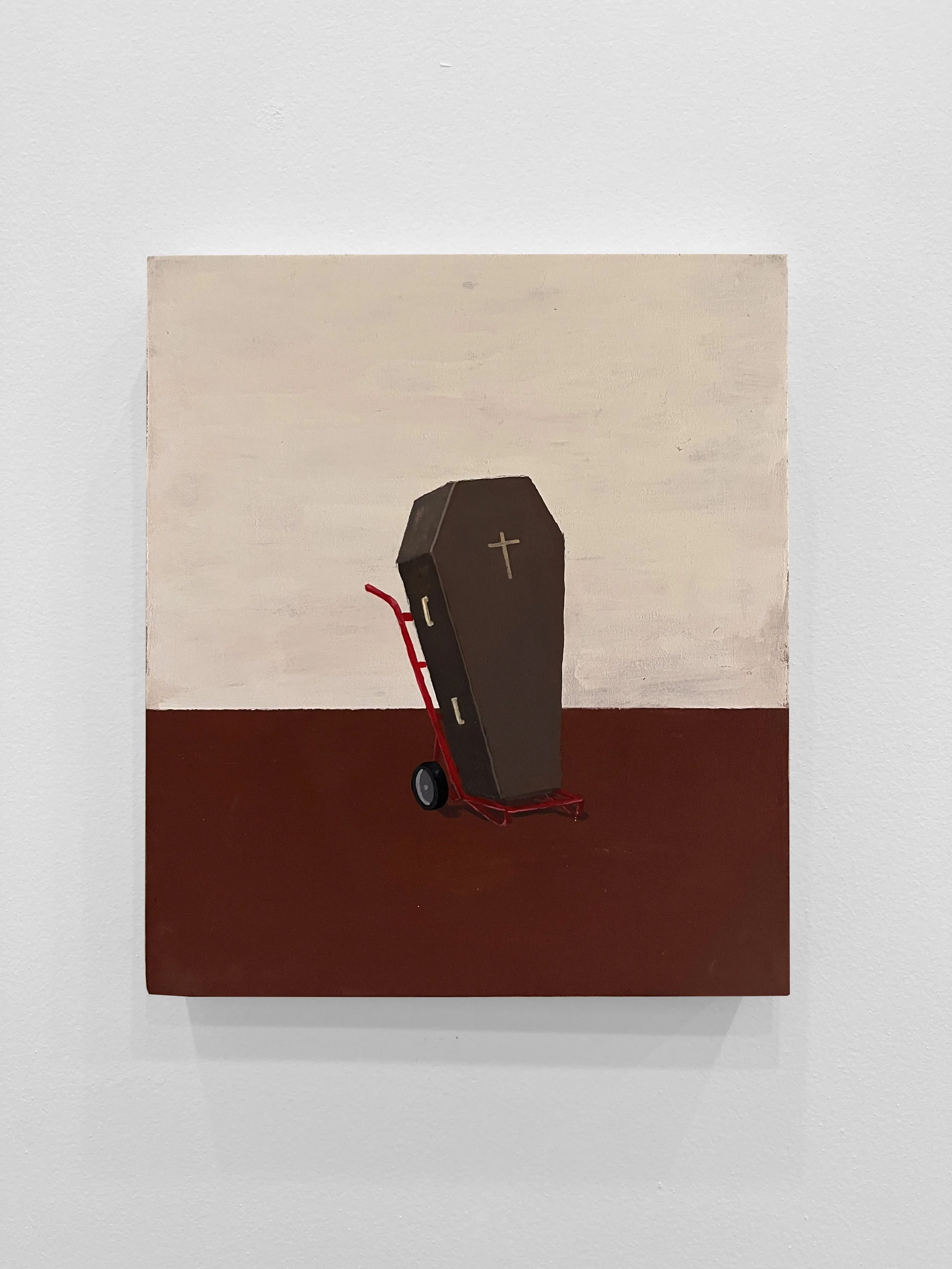
Uses and Customs situates itself within this logic. The coffin—an object designed for a single, final act—is reintroduced into the world of the living through its material capacities: it contains, supports, floats, transports. Its reuse does not aim to desecrate its meaning, but to exhaust it. To force it into coexistence with other functions until its solemnity becomes ordinary.
Within this framework, the coffin ceases to function as an exceptional symbol of death and becomes another artifact within the domestic and social ecosystem. As with other repurposed objects, its form suggests certain uses, but does not dictate its final destiny. Culture—not design—decides.
The series observes how these practices of reuse produce a different relationship with death. Not as an isolated event or absolute taboo, but as part of a material and social continuum. When integrated into everyday scenes, the coffin loses its ritual centrality and acquires a nearly functional presence. Its symbolic weight does not disappear, but it becomes manageable.
Formally, the compositions maintain a visual economy akin to these everyday uses: nothing excesses, nothing dramatizes. Space is resolved, the object performs its task. The tension emerges precisely from this naturalness. The coffin does not interrupt the scene; the scene accommodates it.
Uses and Customs neither romanticizes reuse nor presents it as a moral allegory. It understands it as accumulated cultural intelligence: a way of inhabiting the world in which objects are not discarded for what they represent, but for what they can no longer do. As long as something functions, it remains.
In this series, death is neither denied nor amplified. It sits. It floats. It waits. It coexists.
Usos y Costumbres
Desde la antropología cultural, los objetos no se definen únicamente por su función original, sino por su capacidad de ser reinsertados en la vida cotidiana. En numerosos contextos de América Latina, el ciclo de uso de un objeto no termina cuando cumple su propósito inicial.
Envases de yogurt convertidos en recipientes para frijoles, cubetas usadas como bancos, huacales de madera que pasan del transporte de verduras al almacenamiento de libros, botes, macetas improvisadas, topes para apartar un lugar en la calle. Se trata de una economía práctica del material: los objetos persisten porque aún sirven.
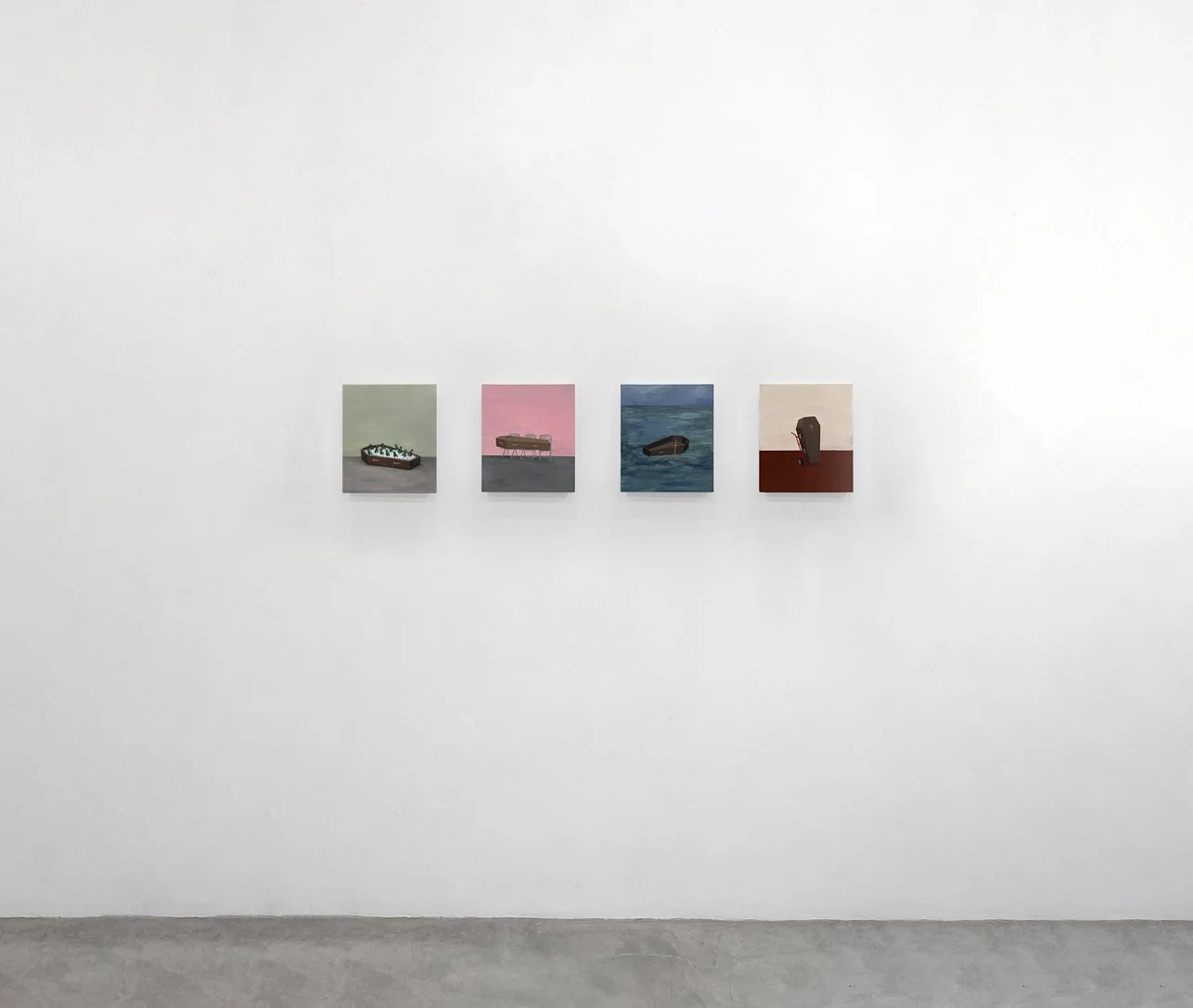
Usos y Costumbres se inscribe en esa lógica. El ataúd, objeto diseñado para un solo acto, es reincorporado al mundo de los vivos a partir de sus cualidades físicas: contiene, sostiene, flota, transporta. Su reutilización busca agotar el sentido. Forzarlo a convivir con otras funciones hasta que su solemnidad se vuelva cotidiana.
En este contexto, el ataúd deja de ser un símbolo excepcional de la muerte y se convierte en un artefacto más dentro del ecosistema doméstico y social. Como ocurre con otros objetos reapropiados, su forma impone ciertas posibilidades de uso, pero no determina su destino final. La cultura —no el diseño— decide.
La serie observa cómo estas prácticas de reutilización producen una relación distinta con la muerte. El ataúd, al ser integrado a escenas comunes, pierde su carácter ritual y adquiere una presencia casi funcional. Formalmente, las composiciones mantienen una economía visual cercana a la de estos usos cotidianos: nada sobra, nada dramatiza. El espacio está resuelto, el objeto cumple su tarea. La tensión surge precisamente ahí, en la naturalidad del gesto.
Usos y Costumbres no romantiza la reutilización ni la presenta como alegoría moral. La entiende como una inteligencia cultural acumulada: una manera de habitar el mundo donde los objetos no se desechan por lo que representan, sino por lo que ya no pueden hacer. Mientras algo funcione, permanece.