Arbustos / Shrubs
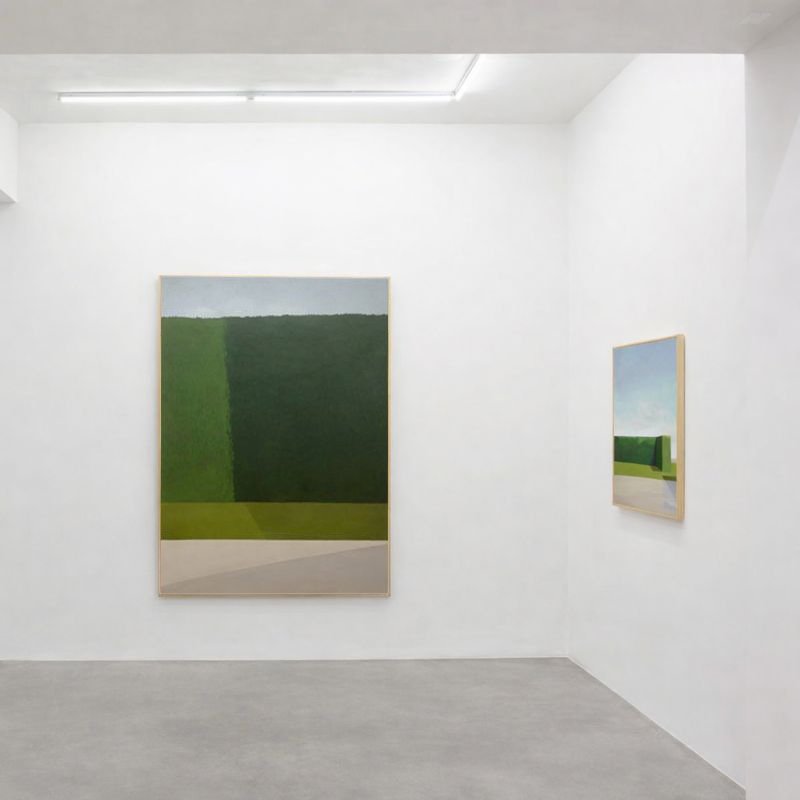
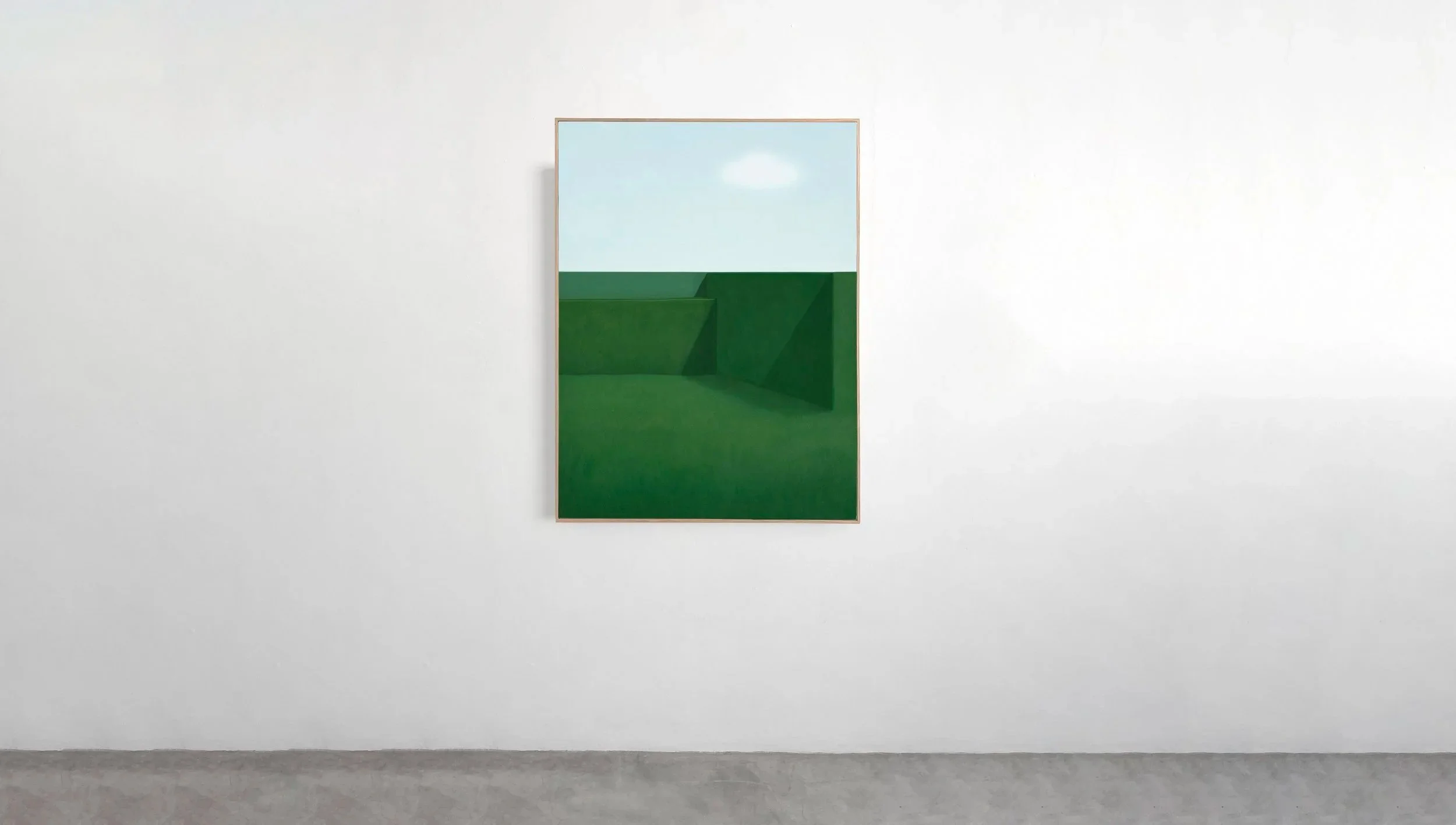
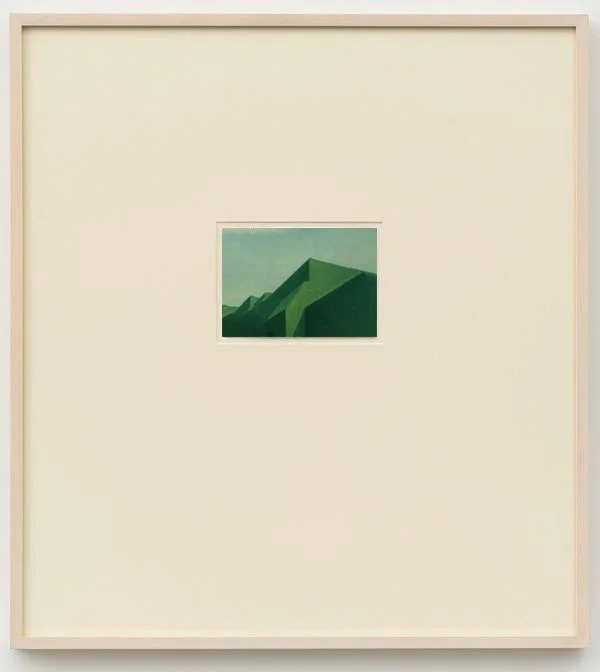
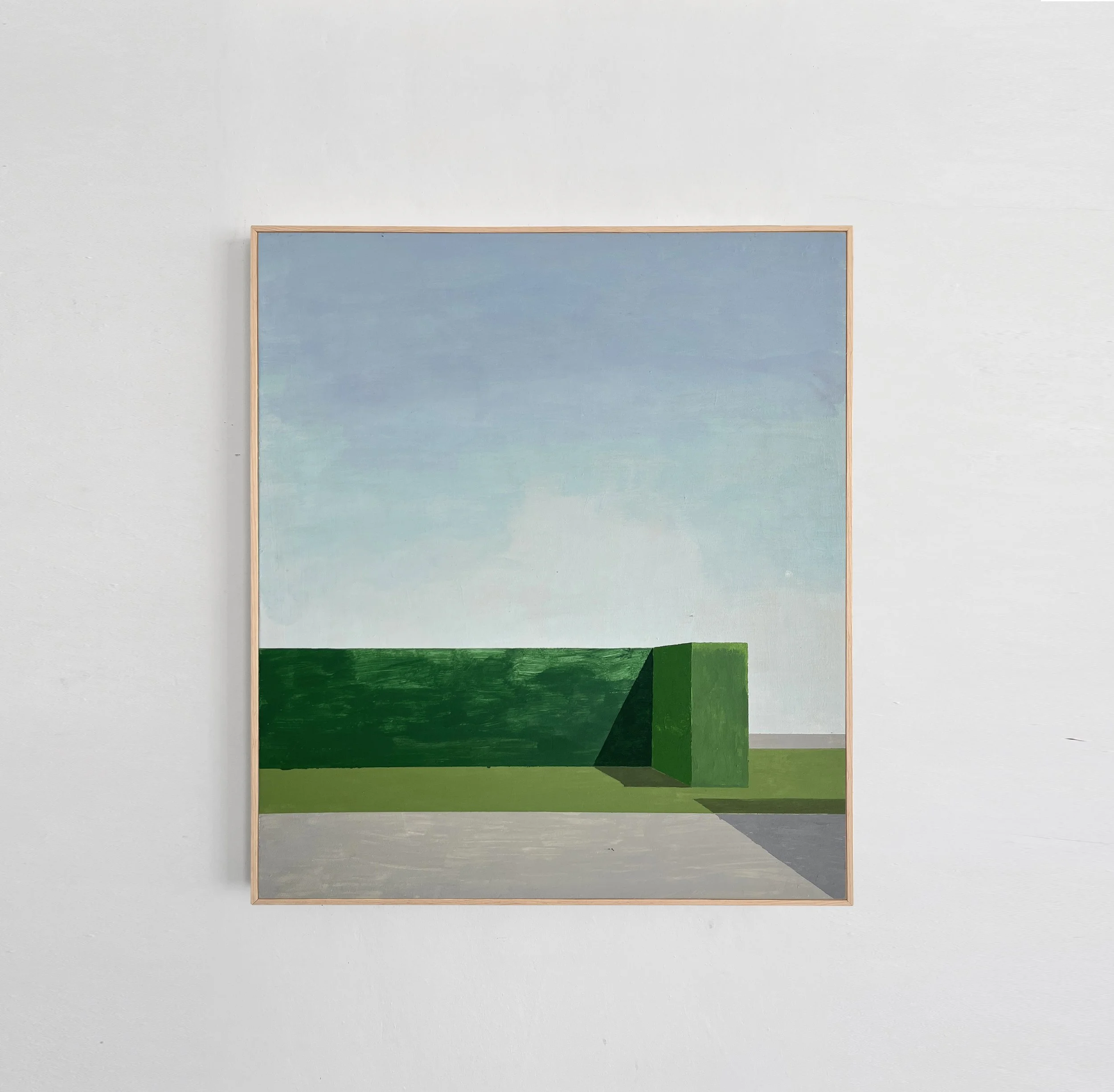
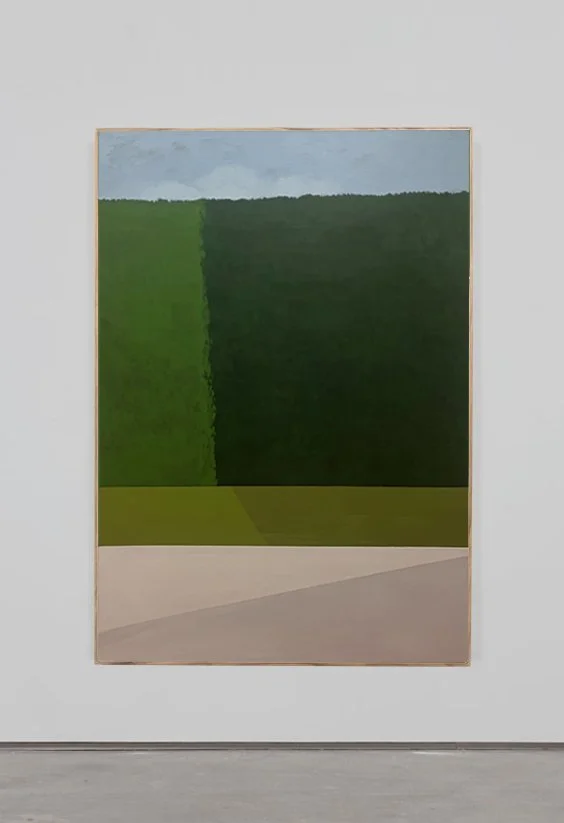
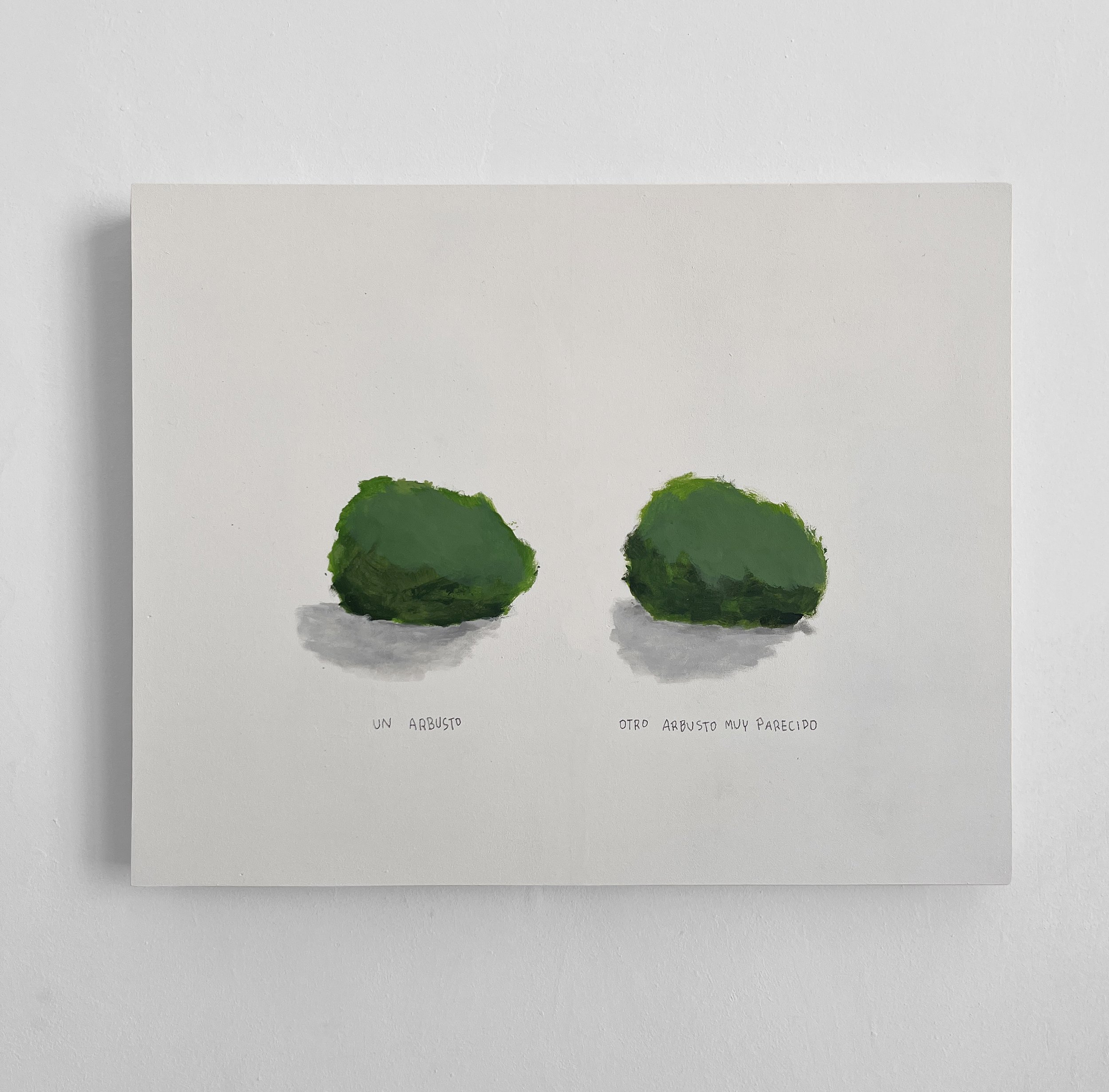
Un arbusto es una forma intermedia: no promete la épica del árbol ni la humildad del pasto. Existe en un territorio ambiguo, domesticado pero nunca del todo dócil. Esta serie parte de esa condición para pensar el paisaje como una construcción cultural antes que natural.
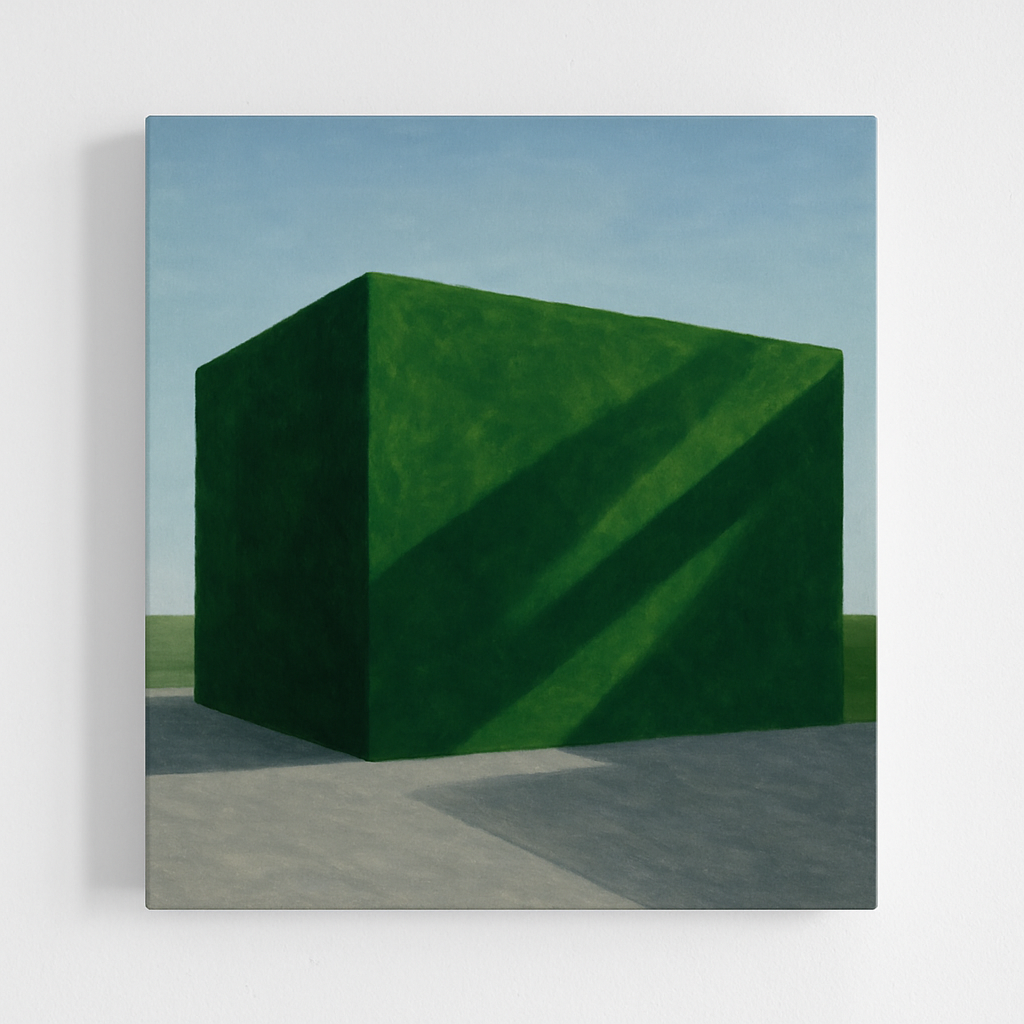
El verde deja de ser un color asociado a lo orgánico para convertirse en material compositivo, casi arquitectónico. La hierba controlada, podada y ordenada, se comporta como un sistema de diseño: genera volumen, define límites y produce sombras.
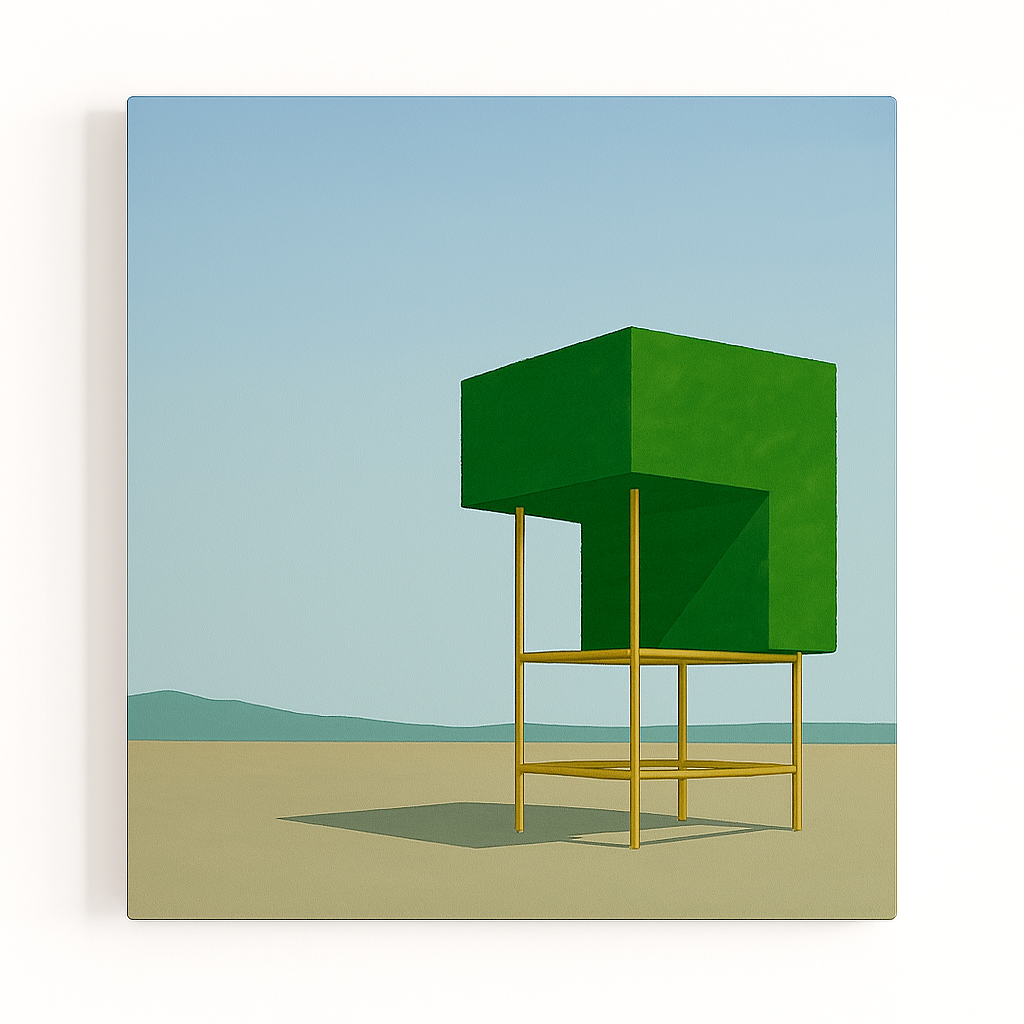
En estas piezas, el paisaje y la arquitectura se confunden. El arbusto actúa como un módulo, un bloque blando que imita la lógica de la construcción. La sombra —tradicionalmente entendida como efecto natural— aparece aquí como una decisión formal, un artificio. Nada ocurre por azar. Incluso lo que parece vivo está coreografiado.
Este gesto revela una mirada profundamente antropocentrista: la necesidad humana de ordenar lo natural para que sea legible, habitable, estéticamente funcional. La naturaleza no como entidad autónoma, sino como superficie de proyección, como lenguaje moldeable. El arbusto deja de ser paisaje y se vuelve herramienta. Sin embargo, algo se resiste. A pesar del control, del color disciplinado y de la forma contenida, persiste una sensación de desajuste. Una vida mínima que no termina de alinearse con la geometría que la contiene. En esa fricción se sostiene la serie: en el punto exacto donde la naturaleza es convertida en artificio, pero nunca completamente neutralizada.
A shrub is an intermediate form: it does not promise the epic scale of a tree nor the humility of grass. It occupies an ambiguous territory—domesticated, yet never fully obedient. This series departs from that condition to consider landscape as a cultural construction rather than a natural given. The shrubs presented here do not depict vegetation; they operate as structures. Green is no longer a color associated with the organic, but a compositional material—almost architectural. Controlled grass, trimmed and ordered, behaves like a design system: it generates volume, establishes boundaries, produces shadow. This is not free growth; it is planning. Within these works, landscape and architecture do not oppose each other; they collapse into one another. The shrub functions as a module, a soft block that mimics the logic of construction. Shadow—traditionally understood as a natural effect—appears here as a formal decision, an artifice. Nothing happens by chance. Even what appears alive is choreographed. This gesture reveals a deeply anthropocentric gaze: the human need to organize nature in order to make it legible, inhabitable, aesthetically functional. Nature is no longer an autonomous entity, but a surface of projection, a malleable language. The shrub ceases to be landscape and becomes a tool. And yet, something resists. Despite control, disciplined color, and contained form, a sense of misalignment persists. A minimal life that never fully conforms to the geometry that frames it. It is within this friction that the series holds its tension: at the precise point where nature is transformed into artifice, but never completely neutralized. These works do not propose a nostalgia for the wild nor a direct critique of control. Rather, they operate as an uneasy acknowledgment: even what we call nature is already an architecture of human desire.